


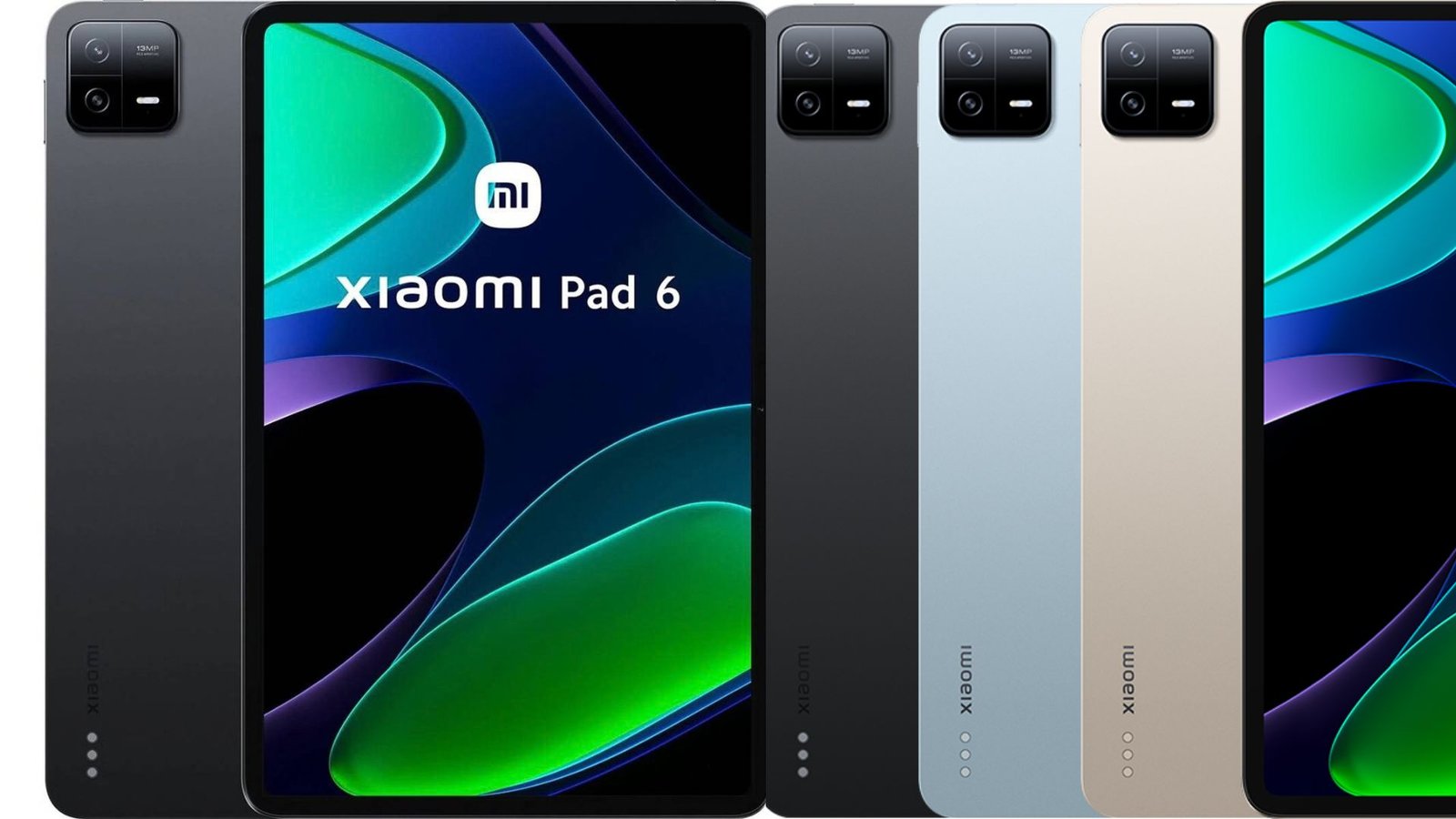
The Xiaomi Pad 6 is a performance-focused Android tablet designed for people who want more than basic browsing and streaming. It combines an 11-inch high-resolution display, Snapdragon 870 processor, LPDDR5 RAM, UFS 3.1 storage, a large battery, and a slim aluminum body. Xiaomi positions the tablet for demanding everyday use, including gaming, multitasking, video consumption, and creative work.
For buyers in the USA and UK, the most useful question is not simply whether the hardware looks impressive. It is whether the combination of display quality, processing power, battery capacity, software, accessories, and availability matches your needs. The Xiaomi Pad 6 has several strong specifications, but there are also limitations worth considering before purchasing.
Xiaomi Pad 6 Specifications at a Glance
The hardware remains one of the tablet’s biggest attractions. Xiaomi lists three memory and storage configurations in some markets: 6GB + 128GB, 8GB + 128GB, and 8GB + 256GB. The tablet uses LPDDR5 RAM and UFS 3.1 storage, giving it a hardware platform suited to demanding applications and multitasking.
| Feature | Xiaomi Pad 6 Specification |
|---|---|
| Display | 11-inch LCD, 2880 × 1800 |
| Refresh Rate | Up to 144Hz |
| Processor | Qualcomm Snapdragon 870 |
| RAM | 6GB or 8GB LPDDR5 |
| Storage | 128GB or 256GB UFS 3.1 |
| Rear Camera | 13MP |
| Front Camera | 8MP |
| Battery | 8,840mAh typical capacity |
| Charging | 33W wired |
| Connectivity | Wi-Fi 6, Bluetooth 5.2, USB-C |
| Weight | 490g |
| Thickness | 6.51mm |
Exact configurations can vary by market, so shoppers should check the specifications offered by their local retailer before ordering.
Display and Design
The Xiaomi Pad 6 features an 11-inch LCD with a 2880 × 1800 resolution, 309 pixels per inch, and a refresh rate of up to 144Hz. Xiaomi also specifies support for DCI-P3, more than one billion colors, Dolby Vision, and TÜV Rheinland Low Blue Light certification.
The 144Hz refresh rate is particularly useful for scrolling, compatible games, and general interface movement. Xiaomi describes the panel as having a seven-level variable refresh rate, allowing the display to adjust according to the task.
The chassis is another practical advantage. The tablet measures 253.95mm by 165.18mm and is only 6.51mm thick, while its weight is approximately 490g. Xiaomi also identifies an aluminum construction for the rear cover.
That combination makes the tablet relatively easy to carry while still providing a large screen for documents, entertainment, and productivity.
Performance and Multitasking
At the heart of the Xiaomi Pad 6 is Qualcomm’s Snapdragon 870 mobile platform, built using a 7nm process. It is paired with LPDDR5 memory and UFS 3.1 storage. Xiaomi specifically highlights demanding uses such as large games, large-format files, and 4K video editing.
For everyday users, this hardware means the tablet is designed for considerably more than simple media consumption. Web browsing, document work, video calls, multitasking, and many demanding Android applications can take advantage of the available processing resources.
The 8GB/256GB configuration can also make more sense for users who plan to keep numerous applications and large files on the device. Since storage cannot simply be expanded through a microSD card according to the listed specifications, choosing the capacity carefully at purchase is worthwhile.
💡 Pro Tip: If you expect to keep the tablet for several years, consider your storage needs before buying rather than choosing the smallest configuration solely because it costs less. Large games, downloaded videos, photos, and work files can consume tablet storage surprisingly quickly.
Battery and Charging
Battery capacity is another notable feature. Xiaomi lists an 8,840mAh typical battery capacity, with a 33W wired charging system. The company also states that the tablet supports several charging standards, including USB Power Delivery options.
Xiaomi’s own laboratory information has claimed up to 150 hours of battery life under its specific testing methodology, while another Xiaomi product page discusses long-duration usage and explains that actual battery performance varies with the testing environment. Those figures should therefore be treated as manufacturer testing rather than a guarantee of everyday runtime.
For normal users, factors such as display refresh rate, brightness, gaming, video playback, wireless connectivity, and background applications will have a major effect on battery endurance.
Cameras, Audio, and Connectivity
The rear camera is a 13MP unit with autofocus support, while the front camera is an 8MP sensor. The rear camera can record 4K video at 30 frames per second, while the front camera supports video recording up to 1080p at 30fps.
The cameras are functional rather than the central reason to buy this tablet. They can handle video calls, document capture, casual photography, and online meetings, but users seeking a tablet primarily for photography should consider dedicated camera hardware instead.
Audio is more prominent. The device includes four speakers and four microphones, with Dolby Atmos support. Xiaomi also lists Wi-Fi 6 connectivity, Bluetooth 5.2, and a USB Type-C port.
Software and Productivity
The Xiaomi Pad 6 originally shipped with MIUI Pad 14 based on Android 13. The tablet’s large display makes it suitable for productivity tasks such as reading documents, managing email, browsing multiple websites, attending online meetings, and using compatible split-screen or multitasking features.
Its usefulness for work can increase when paired with compatible accessories. A keyboard can make longer typing sessions more practical, while a stylus can be useful for handwriting, annotations, sketches, and other creative tasks. Accessory availability and compatibility should be checked for the exact market and model before purchase.
What Are the Main Limitations?
The Xiaomi Pad 6 is not perfect for every buyer. Its LCD panel provides strong specifications, but shoppers specifically looking for OLED or AMOLED technology will need to consider alternatives.
The Snapdragon 870 is also an older flagship-class mobile platform rather than a newer-generation chipset. It remains capable, but buyers comparing it with newer tablets should consider the age of the underlying platform.
Software support is another factor for a long-term purchase. Because the tablet launched with Android 13 and MIUI Pad 14, prospective buyers should verify the current software version and Xiaomi’s support information in their market rather than assuming a particular update schedule.
Availability can also differ between the USA and UK. Xiaomi’s international rollout included the UK in 2023, while product availability, configurations, and retailer stock can change by country.
READ ALSO :Fintech Login: How to Access Your Account Safely
Is the Xiaomi Pad 6 Suitable for Gaming?
Gaming is one of the areas where the Xiaomi Pad 6’s hardware makes sense. The Snapdragon 870 provides substantial processing capability, while the 144Hz display can make supported games and interface animations feel smoother. Xiaomi itself lists mainstream gaming among the tablet’s intended high-performance scenarios.
However, game performance depends on the title, graphics settings, software optimization, temperature, and other factors. A high refresh-rate screen does not mean every game will run at 144 frames per second.
Who Should Consider It?
The Xiaomi Pad 6 makes the most sense for users who want a large, sharp display and strong processing hardware without moving immediately into premium flagship-tablet territory.
It can suit:
- Students who need a portable screen for notes, research, and reading.
- Professionals who want a secondary productivity device.
- Gamers looking for a large-screen Android gaming tablet.
- Streamers who value a high-resolution display and four-speaker audio.
- Creative users who want a tablet compatible with a stylus-based workflow.
- Travelers who want a relatively thin device with a large battery.
Users who need cellular connectivity, expandable storage, an OLED display, or the newest processor should examine competing tablets before making a decision.
📌 Key Takeaway:
The Xiaomi Pad 6 stands out through its combination of an 11-inch 2880 × 1800 display, 144Hz refresh rate, Snapdragon 870, LPDDR5 RAM, UFS 3.1 storage, 8,840mAh battery, and 33W charging. Its strongest appeal is the balance between performance, screen quality, portability, and multimedia features.
Frequently Asked Questions
Is the Xiaomi Pad 6 good for students?
Yes. The large 11-inch display, relatively light 490g body, strong processor, and available keyboard or stylus accessories can make it useful for reading, note-taking, research, video classes, and document work. Storage requirements should be considered carefully if the tablet will be used for large academic files or downloaded media.
Does Xiaomi Pad 6 support a 144Hz refresh rate?
Yes. The tablet has an 11-inch display with a refresh rate of up to 144Hz. Xiaomi describes it as a seven-level variable refresh rate, allowing the screen to adjust across different usage scenarios.
Can the tablet handle gaming?
The hardware is designed for demanding workloads, and Xiaomi specifically identifies gaming as one of its performance-focused use cases. The Snapdragon 870, LPDDR5 RAM, and high-refresh-rate display provide a strong foundation, although actual gaming performance varies by title and graphics settings.
How large is the Xiaomi Pad 6 battery?
The tablet has an 8,840mAh typical battery capacity, with Xiaomi listing 8,640mAh as the minimum capacity. It supports 33W wired charging. Real-world battery life depends on brightness, applications, refresh rate, connectivity, and usage patterns.
Is Xiaomi Pad 6 available in the UK?
The tablet received a wider international rollout that included the UK in 2023. Current stock, configurations, and pricing can change, so buyers should check current Xiaomi and retailer listings before purchasing.
Conclusion
The Xiaomi Pad 6 remains a capable Android tablet built around a high-resolution 144Hz display, Snapdragon 870 performance, generous battery capacity, and a lightweight aluminum design. Its hardware is particularly attractive for entertainment, multitasking, gaming, and everyday productivity.
For buyers considering it today, the most sensible approach is to compare the available configuration and current local price with newer alternatives. If the combination of performance, display quality, and portability fits your priorities, the Xiaomi Pad 6 offers a well-rounded tablet platform without relying on specifications alone to define its usefulness.
