


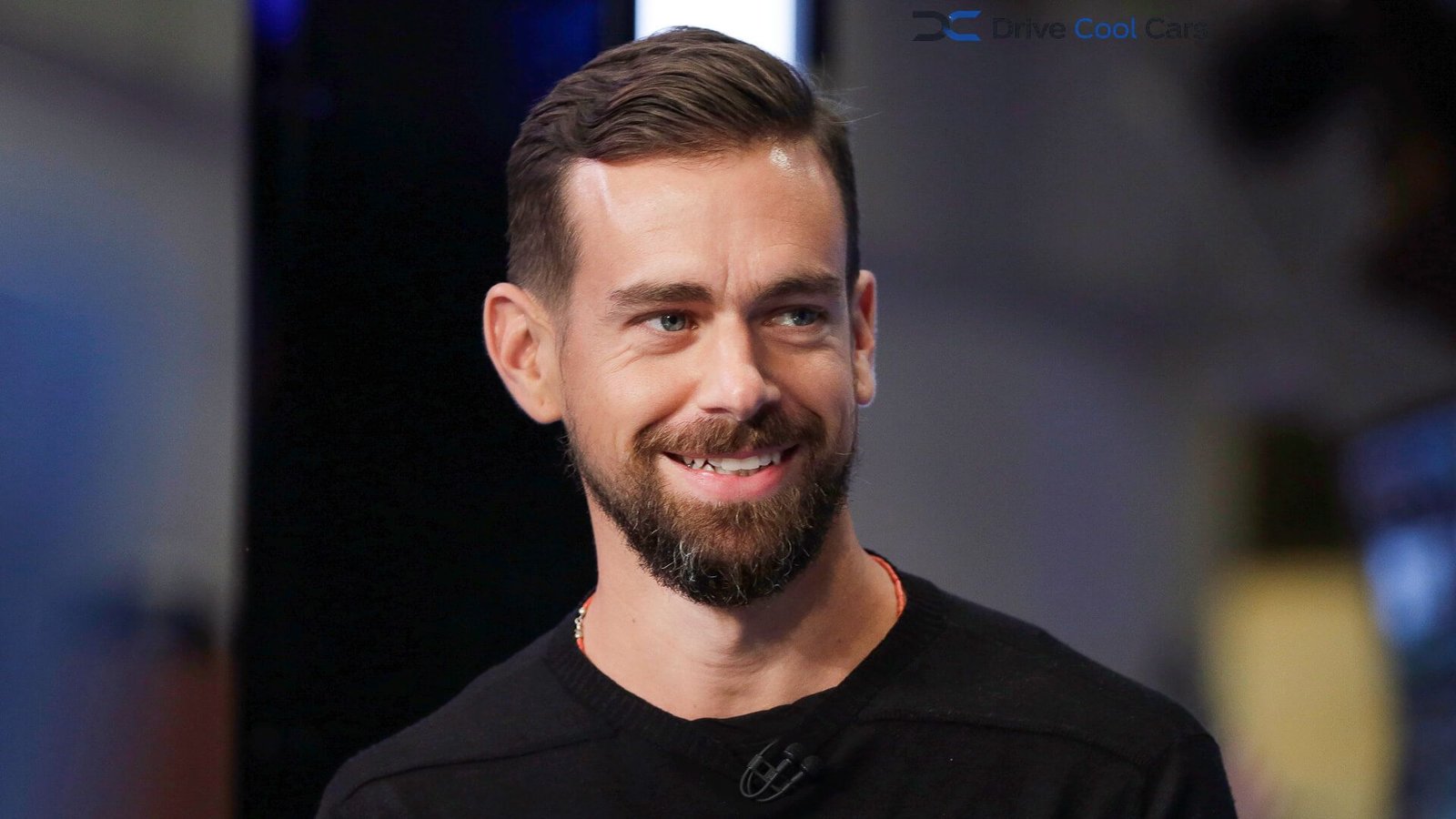
Jack Dorsey is one of the most recognizable figures in Silicon Valley, best known as the co-founder of Twitter and the founder of Square, now called Block. As of September 10, 2026, Forbes estimates Jack Dorsey net worth at about $7.6 billion. That figure is a real-time estimate, so it can change significantly as the value of his publicly traded investments moves.
Dorsey’s wealth is closely tied to his ownership of Block, his early stake in Twitter, and other investments and assets accumulated throughout his technology career. Understanding his fortune requires looking beyond a single headline number.
How Much Is Jack Dorsey Worth?
Current estimates place Jack Dorsey net worth in the multibillion-dollar range, but there is no permanently fixed figure. Forbes’ real-time estimate was $7.6 billion on September 10, 2026, while historical figures from other dates show how quickly his estimated wealth can move.
That fluctuation is normal for technology billionaires whose wealth is heavily connected to publicly traded company shares. A change in Block’s stock price can affect Dorsey’s estimated fortune even when he has not bought or sold any major asset.
| Wealth factor | Why it matters |
|---|---|
| Block ownership | A major source of Dorsey’s equity wealth |
| His early stake in the company helped establish his fortune | |
| Public-market investments | Share prices can change his estimated wealth daily |
| Philanthropy | Large charitable commitments have reduced the wealth he retains |
| Company leadership | His continuing role at Block keeps his financial interests tied to the business |
How Dorsey Built His Fortune
Dorsey’s path to billionaire status began with software and internet entrepreneurship. He co-founded Twitter in 2006 with Evan Williams, Biz Stone, and Noah Glass. The social-media company eventually became one of the world’s most influential technology platforms. Dorsey served as Twitter’s chief executive in its early years and later returned as CEO from 2015 until 2021. He left Twitter’s board in 2022.
His second major business became even more important to his long-term wealth. In 2009, Dorsey co-founded Square with Jim McKelvey. The company developed payment technology designed to help businesses accept card transactions and manage financial services.
Square went public in 2015. In 2021, the company changed its corporate name to Block, reflecting its broader ambitions beyond the original Square payments business. Dorsey remains Block’s Block Head and chairperson.
His Block Ownership
Block’s corporate filings provide a clearer picture of why the company is so important to Dorsey’s finances. In its 2026 proxy statement, Block reported that Dorsey beneficially owned 47,844,566 Class B shares and 1 million Class A shares. His Class B position represented 79.8% of that class and gave him 42.2% of the company’s total voting power.
Those figures help explain why movements in Block’s market value can have an outsized effect on Dorsey’s estimated wealth. Stock ownership also gives him substantial voting influence over the company.
The important distinction is that ownership value is not the same as cash sitting in a bank account. A billionaire’s net worth can include shares that have not been sold, meaning the reported value can rise or fall with the market.
💡 Pro Tip:
When comparing celebrity or billionaire wealth estimates, always check the date attached to the figure. Real-time net worth estimates can differ by hundreds of millions of dollars because stock prices change throughout the trading day.
What Happened to His Twitter Wealth?
Twitter played a foundational role in Dorsey’s wealth and reputation, but it is no longer a publicly traded company. Elon Musk acquired Twitter in 2022 and subsequently renamed the platform X.
Dorsey’s financial connection to Twitter therefore cannot be evaluated in the same straightforward way as his Block holdings. His wealth today is more directly influenced by assets that remain publicly valued, particularly Block stock.
Dorsey’s Twitter history remains important, however, because the platform established him as a major technology entrepreneur. His experience at Twitter also helped position him to build another large technology company.
Jack Dorsey’s Salary and Compensation
Net worth should not be confused with annual salary. Dorsey’s wealth largely reflects equity ownership and accumulated assets rather than simply money earned from a traditional executive paycheck.
Block’s 2026 proxy identifies Dorsey as Block Head and chairperson and states that he was the company’s only employee-director during 2025. The filing also describes the company’s executive compensation structure and ownership requirements.
For investors and readers trying to understand Jack Dorsey net worth, this distinction matters. A high net worth does not mean that the individual receives an equivalent amount in annual income.
Dorsey’s Philanthropy
Dorsey has also directed substantial money toward charitable causes. Forbes reports that in 2020 he pledged $1 billion, which represented about 28% of his net worth at that time, toward COVID-19 relief and other causes. Forbes says he has donated $760 million so far.
His charitable activity means that looking only at business ownership provides an incomplete picture of his financial history. Large donations can reduce an individual’s personal wealth while directing capital toward organizations and causes outside their business interests.
Why Jack Dorsey’s Net Worth Changes
The biggest reason Jack Dorsey net worth changes is the market value of his assets. Block is publicly traded, so the value of his shares moves whenever investors reassess the company’s prospects.
Several factors can influence that valuation:
- Block’s financial performance
- Investor expectations for future growth
- Broader technology-sector trends
- Changes in interest rates and market sentiment
- Dorsey’s purchases, sales, or transfers of shares
- Taxes, charitable giving, and other personal financial activity
This is why two reputable wealth trackers can show different numbers on different dates. Forbes itself labels its figure a real-time estimate, while other wealth indexes may use different methodologies and valuation times.
📌 Key Takeaway:
Dorsey’s fortune is primarily an equity-based technology fortune. His continuing ownership and voting position at Block are especially important to understanding his current wealth, while his earlier Twitter stake helped establish his financial position.
Frequently Asked Questions
What is Jack Dorsey net worth in 2026?
Forbes estimated Dorsey’s real-time net worth at approximately $7.6 billion on September 10, 2026. Because much of his wealth is connected to market-valued assets, the figure can change from one day to another.
How did Jack Dorsey become wealthy?
Dorsey built his fortune through technology entrepreneurship. He co-founded Twitter in 2006 and later co-founded Square in 2009. Square became publicly traded and was renamed Block in 2021, creating a major source of his continuing equity wealth.
Does Jack Dorsey still own Block?
Yes. Block’s 2026 proxy statement reports that Dorsey beneficially owned 47,844,566 Class B shares and 1 million Class A shares. His reported holdings also gave him 42.2% of Block’s total voting power.
Is Jack Dorsey still involved with Block?
Yes. Block’s 2026 proxy identifies Dorsey as Block Head and chairperson. The filing also identifies him as the company’s principal executive officer.
Has Dorsey donated a large portion of his wealth?
Yes. Forbes reports that Dorsey pledged $1 billion in 2020 for COVID-19 relief and other causes and has donated $760 million so far.
Conclusion
Jack Dorsey net worth reflects decades of equity ownership, entrepreneurship, and leadership in major technology companies. Twitter established his profile as an influential internet entrepreneur, while Square—and later Block—became a major pillar of his personal wealth.
The most useful way to view his fortune is as a changing estimate rather than a fixed bank balance. With a substantial Block stake and significant voting power, Dorsey’s financial position remains closely connected to the company’s market performance. His philanthropy also shows that his financial story involves more than accumulating wealth: a significant amount has been directed toward charitable causes.
