


| Period | Important Development | Impact |
|---|---|---|
| 1920s | Early performance modifications | Enthusiasts experimented with lightweight vehicles |
| 1930s | Dry lake racing grew | Organized speed competitions became popular |
| 1940s | Automotive clubs expanded | Builders shared mechanical knowledge |
| 1948 | HOT ROD Magazine launched | Custom-car culture reached more readers |
| 1950s | Drag racing became established | Engine performance gained importance |
| 1960s | Muscle cars grew in popularity | Powerful factory engines became more accessible |
| 1970s–1980s | Street rod culture expanded | Classic body styles gained renewed attention |
| 1990s–2000s | Modern performance technology developed | Builders gained access to improved engines and components |
| 2010s–2026 | Restomods and modern customization continued | Classic styling combined with newer automotive systems |
Why Does This History Matter?
The movement helped shape American automotive performance culture. Engine experimentation, custom fabrication, and organized racing encouraged enthusiasts to develop new mechanical solutions.
Modern builders continue many of these traditions while improving vehicle safety, reliability, and everyday usability.
3. Most Popular Types of Hot Rod Cars
Different body styles provide different driving experiences. Some are designed primarily for vintage appearance, while others emphasize performance or comfortable street use.
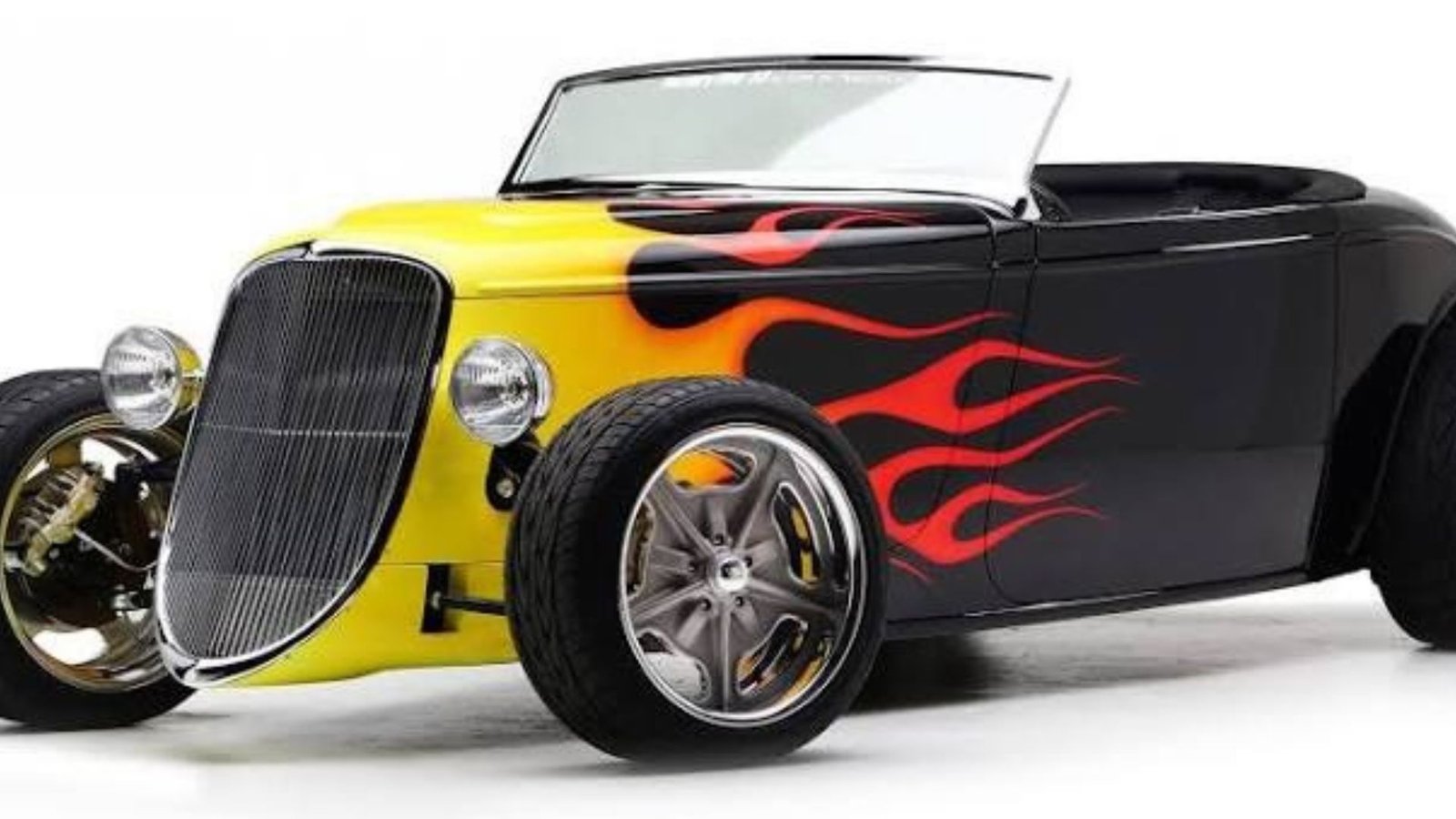
Traditional Roadster
A roadster is an open-top vehicle with a sporty, lightweight design. Early Ford roadsters remain popular among enthusiasts because of their simple construction and recognizable appearance.
Many traditional builds feature exposed engines, narrow tires, and minimal body accessories.
T-Bucket
A t bucket hot rod uses a body inspired by the early Ford Model T. It usually features an open cockpit, lightweight construction, and a visible engine.
This design appeals to enthusiasts who prefer a compact vehicle with dramatic styling. However, short wheelbases, limited weather protection, and unusual driving characteristics require careful consideration.
Chopped Coupe
A chopped coupe has a lowered roofline that creates a more aggressive appearance.
Builders often combine vintage Ford bodies with modern engines and custom suspension systems. Reduced roof height can affect visibility and passenger comfort.
Rat Rod
Rat rods commonly feature weathered finishes, exposed mechanical components, and deliberately unfinished styling.
Some retain visible rust-colored surfaces or aged paint. The appearance should never be confused with acceptable structural rust or unsafe mechanical conditions.
Street Rod
A street rod usually combines classic automotive styling with upgrades intended for road driving.
These vehicles may include modern braking systems, improved steering, comfortable seats, and fuel-injected engines.
Comparison of Popular Models
| Vehicle Type | Body Style | Main Attraction | Best Suited For |
|---|---|---|---|
| Roadster | Open-top | Traditional appearance | Classic-car enthusiasts |
| T-Bucket | Compact open body | Exposed engine and lightweight design | Experienced hobbyists |
| Chopped Coupe | Enclosed lowered roof | Aggressive styling | Custom-car collectors |
| Rat Rod | Weathered custom body | Unconventional appearance | Creative builders |
| Street Rod | Classic body with road upgrades | Comfort and usability | Regular drivers |
| Custom Pickup | Modified truck body | Distinctive proportions and utility | Truck enthusiasts |
4. Hot Rod vs. Muscle Car vs. Classic Car
Although these terms are sometimes used together, they describe different automotive categories.
A muscle car is generally a factory-produced performance vehicle with a powerful engine. A classic car is usually valued because of its age, design, historical importance, or collectible appeal.
A customized performance vehicle differs because extensive owner modifications often define its identity.
Complete Comparison Table
| Feature | Hot Rod | Muscle Car | Classic Car |
|---|---|---|---|
| Main purpose | Personal customization and performance | Factory performance | Preservation or collecting |
| Engine | Often modified or replaced | Usually factory performance engine | Often original |
| Exterior | Frequently customized | Usually factory design | Often restored |
| Common examples | Modified Ford Model A, 1932 Ford | Ford Mustang, Pontiac GTO | Ford Thunderbird, Chevrolet Bel Air |
| Interior | Frequently personalized | Mostly production-based | Original or restored |
| Collectible value | Depends on build quality and history | Depends on rarity and condition | Depends on originality and condition |
| Maintenance | Highly build-specific | Depends on model and age | Depends on condition and parts availability |
A classic vehicle can become a performance custom after significant modifications. However, simply owning an old car does not automatically make it part of this category.
5. Best Engines for Hot Rod Performance
Choosing the right engine determines how a vehicle accelerates, handles power, and performs during regular driving.
Engine selection should depend on vehicle weight, available space, transmission compatibility, cooling requirements, and the owner’s budget.
Popular Engine Options
| Engine | Main Advantage | Common Application |
|---|---|---|
| Ford Flathead V8 | Traditional appearance | Vintage roadsters |
| Chevrolet Small-Block V8 | Wide parts availability | Classic street builds |
| GM LS V8 | Modern power and fuel injection | Performance customs |
| Ford Coyote 5.0 V8 | Modern engine technology | Premium Ford-based builds |
| Chrysler HEMI V8 | Strong performance character | Custom Mopar projects |
| Ford Inline-Four | Lightweight traditional option | Early Ford vehicles |
Essential Engine and Performance Upgrades
Fuel system: A properly designed fuel system provides the engine with suitable fuel pressure and delivery.
Cooling system: An adequately sized radiator and reliable cooling fan help control operating temperature.
Exhaust system: Correctly designed exhaust components manage gas flow, noise, and emissions requirements.
Transmission: The transmission must handle the engine’s torque and match the intended driving conditions.
Braking system: Increased engine performance should be accompanied by appropriate braking capability.
Suspension: Correct suspension geometry and suitable components help maintain steering control and stability.
A balanced combination of engine power, gearing, brakes, and suspension is usually more practical than pursuing the highest possible horsepower.
6. How Much Does It Cost to Build a Hot Rod in 2026?
The cost of building a hot rod depends on the starting vehicle, desired performance, parts quality, fabrication work, and labor expenses.
A simple project using an existing running car can cost much less than a complete custom build requiring a new chassis, engine, interior, and professional bodywork.
Estimated Build Cost Table
These figures are broad US-dollar budgeting allowances, not verified 2026 contractor quotes.
| Component | Illustrative Cost Range |
|---|---|
| Project vehicle or body | $3,000–$15,000 |
| Chassis and suspension | $2,000–$10,000 |
| Engine and components | $3,000–$15,000+ |
| Transmission and drivetrain | $1,500–$6,000 |
| Braking system and wheels | $1,500–$5,000 |
| Wiring and electrical equipment | $500–$3,000 |
| Bodywork and paint | $3,000–$20,000+ |
| Seats and interior | $1,000–$6,000 |
| Additional materials and testing | $1,000–$5,000 |
Actual expenses vary significantly according to labor rates, vehicle condition, and the complexity of modifications.
Estimated Total Project Budgets
| Project Category | Approximate Budget |
|---|---|
| Basic DIY project | $15,000–$30,000 |
| Mid-range street build | $30,000–$60,000 |
| Premium custom build | $60,000–$120,000+ |
| Extensive show-quality fabrication | $120,000+ |
How Can You Reduce Building Expenses?
Begin with a structurally sound vehicle. Severe rust, damaged frames, and missing components can create substantial repair expenses.
Purchase compatible components and prepare a complete build plan before starting. Owners should also reserve additional money for unexpected mechanical work.
A contingency allowance of approximately 15–25% can provide a useful financial cushion.
7. Best Hot Rod Paint Jobs and Custom Color Ideas
Paintwork plays an important role in a customized vehicle’s overall appearance.
A well-chosen finish can highlight body curves, complement chrome details, and create a memorable design.
Popular Custom Paint Styles
| Color or Finish | Appearance | Recommended Style |
|---|---|---|
| Candy Apple Red | Deep and glossy | Show cars |
| Metallic Orange | Bright and energetic | Performance builds |
| Gloss Black | Classic and bold | Vintage roadsters |
| Satin Black | Understated | Traditional customs |
| Pearl White | Refined and reflective | Premium street builds |
| Metallic Blue | Sporty and modern | Custom coupes |
| Two-Tone Finish | Strong contrast | Classic sedans |
| Flame Graphics | Traditional racing-inspired style | Custom roadsters |
Best Hot Rod Paint Jobs in Orange County, CA
If you are searching for the best hot rod paint jobs Orange County CA has to offer, compare specialist automotive paint shops based on their workmanship rather than promotional photographs alone.
Look for workshops experienced in classic metal body repair, rust removal, surface preparation, custom paint mixing, and detailed finishing.
Before hiring a shop, ask about:
- Previous completed custom-car projects.
- Paint brands and materials used.
- Body preparation and corrosion repair.
- Written estimates and payment schedules.
- Workmanship warranties.
- Expected preparation and finishing procedures.
Proper surface preparation matters more than an expensive color alone. Poor sanding, damaged panels, or incorrect primer can reduce the quality and durability of the finished paint.
8. Hot Rod for Sale: Complete Buying Guide
Searching for a hot rod for sale requires more attention than purchasing an ordinary used vehicle.
Custom cars may contain engines, transmissions, suspension systems, and electrical components from different manufacturers. Buyers need to understand how these parts work together.
What Should You Inspect Before Buying?
1. Frame condition
Inspect the chassis for cracks, corrosion, unsafe welding, and previous accident repairs.
2. Engine health
Check for oil leaks, overheating, unusual noises, and inconsistent operation.
3. Transmission
Confirm that gears engage properly and that the drivetrain operates without abnormal vibrations.
4. Brakes
Inspect braking components and verify that stopping performance matches the vehicle’s weight and power.
5. Electrical system
Look for damaged insulation, loose wiring, poor grounding, and unsafe modifications.
6. Documentation
Confirm vehicle identification, ownership records, registration eligibility, and modification paperwork.
7. Professional inspection
Arrange an independent inspection with a mechanic familiar with modified classic vehicles.
Buying Checklist
| Inspection Item | Why It Matters | Priority |
|---|---|---|
| Ownership documents | Confirms legal ownership | Essential |
| Vehicle identification | Helps verify vehicle history | Essential |
| Frame condition | Identifies structural problems | Essential |
| Brake system | Protects road safety | Essential |
| Engine condition | Reveals repair expenses | High |
| Suspension and steering | Affects handling | Essential |
| Wiring | Reduces electrical hazards | High |
| Paint and body | Reveals corrosion and repair quality | High |
| Maintenance records | Documents previous work | High |
| Insurance eligibility | Confirms coverage options | Essential |
Where Can You Find Custom Cars for Sale?
Potential sources include specialist classic-car dealers, collector-car auctions, automotive marketplaces, and local enthusiast clubs.
Compare several similar vehicles before making a decision. A professionally documented build may offer better long-term value than a visually attractive car with unknown mechanical work.
9. Hot Rod Power Tour 2026: Dates, Locations, and Highlights
The hot rod power tour 2026 took place from June 8 to June 12, 2026.
Organized by HOT ROD, the five-day event celebrated the 100th anniversary of historic Route 66. The journey began in Illinois and finished in Oklahoma.
Official 2026 Event Schedule
| Date | City | Event Venue |
|---|---|---|
| June 8, 2026 | Joliet, Illinois | Route 66 Raceway |
| June 9, 2026 | Rantoul, Illinois | Village of Rantoul |
| June 10, 2026 | St. Louis area, Missouri | World Wide Technology Raceway |
| June 11, 2026 | Springfield, Missouri | Missouri State University |
| June 12, 2026 | Tulsa, Oklahoma | Tulsa Raceway Park |
What Makes the Power Tour Special?
The hot rod power tour brings together enthusiasts who enjoy modified vehicles, powerful engines, and long-distance driving.
Participants travel between event venues and enjoy activities that can include vehicle displays, manufacturer exhibits, drag racing, and performance demonstrations.
The event also gives car owners opportunities to meet builders, compare modifications, and discover new automotive products.
Can Beginners Attend?
Yes. The event welcomes automotive enthusiasts with different levels of experience.
However, participants should inspect their vehicles carefully before attempting a long-distance journey. Tires, cooling systems, braking components, and electrical equipment deserve particular attention.
The 2026 event has already finished. Future attendees should verify the next event schedule through official announcements.
10. Hot Rod Magazine and Hot Rod Garage
Hot rod magazine is one of the best-known publications associated with American performance-car culture.
Founded in 1948, HOT ROD helped popularize engine upgrades, automotive racing, custom fabrication, and performance vehicles.
Its coverage has included technical projects, automotive events, classic cars, and modern performance technology.
What Is Hot Rod Garage?
Hot rod garage is an automotive entertainment series centered on modifying, repairing, testing, and driving performance vehicles.
Episodes show different stages of building a custom project, from selecting components to solving mechanical problems.
The program appeals to viewers interested in car modification, fabrication, and hands-on automotive work.
Hot Rod Garage Cast
The hot rod garage cast has included several recognizable automotive personalities.
| Personality | Connection With the Show |
|---|---|
| Lucky Costa | Mechanic and automotive personality |
| Tony Angelo | Former presenter and builder |
| Alex Taylor | Automotive builder and racing personality |
The presenter lineup has changed over the program’s history. These names represent notable contributors rather than a verified current-season cast.
Is the Show Useful for Beginners?
The series provides an entertaining introduction to mechanical projects and customization.
Viewers can learn basic automotive concepts by observing engine installations, suspension work, and vehicle testing. However, television editing often omits detailed procedures, so it should not replace professional repair instructions.
11. Hot Rod Movie: Story, Cast, and Streaming
The hot rod movie is a 2007 American comedy starring Andy Samberg.
Directed by Akiva Schaffer, it follows Rod Kimble, an inexperienced stuntman who dreams of becoming famous for his daring performances.
Rod plans a dangerous motorcycle stunt to raise money for his stepfather’s medical treatment. The story combines physical comedy with an unusual family relationship.
Hot Rod Cast
| Actor | Character |
|---|---|
| Andy Samberg | Rod Kimble |
| Isla Fisher | Denise |
| Ian McShane | Frank Powell |
| Jorma Taccone | Kevin Powell |
| Bill Hader | Dave |
| Danny McBride | Rico |
| Sissy Spacek | Marie Powell |
| Will Arnett | Jonathan |
The film has developed a following among viewers who enjoy absurd comedy, exaggerated physical humor, and unconventional characters.
Where Can You Watch Hot Rod?
If you want to watch hot rod, check licensed digital movie services or rental platforms available in your country.
Hot rod streaming availability changes depending on licensing agreements, location, and subscription provider.
Check the movie’s 2007 release year when searching so you can distinguish the film from automotive television programs.
12. Hot Rod Lincoln: The Classic Automotive Song
Hot rod lincoln is a well-known song associated with American automotive enthusiasm.
Charlie Ryan originally recorded the song during the 1950s. Commander Cody and His Lost Planet Airmen later introduced it to a wider audience through their popular version.
The song follows an entertaining high-speed driving story involving a modified Lincoln-powered vehicle.
Why Is the Song Famous?
Its appeal comes from a combination of automotive storytelling, energetic rhythms, and memorable lyrics.
The music reflects the excitement of engine performance and the strong connection between American driving culture and popular entertainment.
For classic-car fans, the song remains an enjoyable reminder of early performance-car traditions.
13. Fender Hot Rod Deluxe: Features and Specifications
The fender hot rod deluxe is a guitar amplifier manufactured by Fender.
It is unrelated to automotive customization, but it appears frequently in searches using the same terminology.
The Fender Hot Rod Deluxe IV is a 40-watt tube combo amplifier designed for electric guitar players.
Fender Hot Rod Deluxe IV Specifications
| Feature | Details |
|---|---|
| Manufacturer | Fender |
| Product | Hot Rod Deluxe IV |
| Amplifier type | Tube combo |
| Power output | 40 watts |
| Speaker | One 12-inch Celestion A-Type |
| Channels | Normal, Drive, More Drive |
| Power tubes | Two 6L6 tubes |
| Preamp tubes | Three 12AX7 tubes |
| Effects | Spring reverb |
| Cabinet material | Lightweight pine |
| Included accessories | Footswitch and cover |
Who Should Use This Amplifier?
The amplifier suits guitarists who need strong clean tones, overdriven sounds, and enough volume for band rehearsals or performances.
Its spring reverb adds depth to guitar tones, while the different channels allow players to switch between cleaner and more driven sounds.
Because tube amplifiers can be loud, musicians should consider their available practice space before choosing one.
14. Transformers Hot Rod: Character and Story
Transformers hot rod refers to an Autobot character from the Transformers franchise.
The character first became especially prominent in the Generation 1 animated continuity and the 1986 animated film.
Known for an adventurous personality and futuristic sports-car design, this Autobot plays an important role in the franchise’s story.
Character Information
| Feature | Description |
|---|---|
| Franchise | Transformers |
| Faction | Autobots |
| Original continuity | Generation 1 |
| Vehicle form | Futuristic sports car |
| Personality | Brave, energetic, impulsive |
| Important identity | Rodimus Prime |
| Notable film | The Transformers: The Movie (1986) |
Why Is This Character Popular?
The character’s transformation from an impulsive young Autobot into a major leader creates a memorable storyline.
Collectors also appreciate the distinctive red and orange color scheme, futuristic vehicle design, and action figures inspired by different interpretations.
The hot rod transformers search term usually refers to character information, toys, animated appearances, or collectible merchandise rather than customized real-world automobiles.
15. Traeger Hot Rod Replacement: Purpose and Common Problems
A traeger hot rod replacement is an ignition-heating component used in certain Traeger pellet grills.
The component heats during startup to ignite wood pellets inside the firepot.
Although the name resembles an automotive term, its function is completely different.
Common Ignition Problems
- The grill does not ignite properly.
- Pellets accumulate without burning.
- Startup takes longer than expected.
- The grill displays an ignition-related error.
- Ignition wiring appears damaged.
These symptoms may also result from other faults. A failed startup does not automatically prove the heating element needs replacement.
How to Choose the Correct Replacement
Identify the grill’s exact model and serial number before purchasing a component.
Traeger grills use different ignition systems across product lines, so replacement parts are not always interchangeable.
Disconnect electrical power and allow the grill to cool completely before inspection. Use model-specific manufacturer instructions or qualified repair assistance for electrical work.
16. Essential Hot Rod Maintenance and Safety Tips
Regular maintenance is necessary to keep a modified vehicle dependable.
Unlike standard production cars, heavily customized vehicles may contain mechanical systems assembled from different manufacturers and model years.
Owners should keep accurate records of installed parts and completed repairs.
Recommended Maintenance Checklist
| Component | Inspection Guidance | Reason |
|---|---|---|
| Engine oil | Check regularly and follow the engine-specific service interval | Protects internal components |
| Radiator and coolant | Inspect before long trips | Helps prevent overheating |
| Brake system | Inspect before driving and during routine servicing | Maintains stopping performance |
| Tire pressure and condition | Check before every drive | Improves safety and handling |
| Suspension | Inspect during routine maintenance | Identifies wear and damage |
| Fuel lines | Check regularly for leaks | Reduces fire hazards |
| Battery and wiring | Inspect connections and insulation | Helps prevent electrical faults |
| Steering | Check for excessive movement or unusual behavior | Supports vehicle control |
| Frame and mounts | Inspect periodically | Detects structural problems |
How Can Owners Improve Reliability?
Avoid installing incompatible components simply because they promise higher performance.
Choose parts suited to the vehicle’s weight, engine output, and intended use. Have safety-critical modifications inspected by qualified professionals.
A dependable vehicle should accelerate, steer, cool, and stop consistently under normal driving conditions.
17. Future Trends in Custom Car Building
The custom automotive community continues to combine historical designs with newer technologies.
Many builders want traditional appearances without sacrificing reliable everyday operation.
Modern Trends Worth Watching
Electronic fuel injection: Modern fuel systems can improve starting behavior, consistency, and engine management when correctly installed.
Upgraded braking systems: Well-designed disc brake conversions can improve braking capability compared with unsuitable or worn original systems.
Modern transmissions: Additional gears and overdrive can improve cruising comfort and reduce engine speed at highway speeds.
Custom digital instrumentation: Modern gauges can provide clearer readings for engine temperature, oil pressure, and electrical operation.
Electric conversions: Some builders experiment with electric drivetrains while retaining vintage exterior designs.
Improved fabrication methods: Computer-aided design and precision manufacturing can help create compatible custom components.
These trends give owners more choices, but traditional engines and period-correct designs remain important parts of the culture.
Frequently Asked Questions
1. What makes a car a hot rod?
A hot rod is generally a vehicle modified for increased performance, a distinctive appearance, or both. Traditional examples often use early American car bodies and upgraded engines. The most important characteristic is meaningful customization rather than the vehicle’s age alone.
2. How much horsepower can a modified classic car have?
Horsepower depends on the engine, vehicle design, and modifications. Traditional four-cylinder builds may produce relatively modest power, while modern V8 conversions can produce several hundred horsepower or more. More power also requires suitable tires, brakes, suspension, and drivetrain components.
3. Are modified classic cars legal on public roads?
They can be legal if they meet local registration, equipment, emissions, inspection, and insurance requirements. Laws vary by country and state. Owners should confirm the applicable rules before making major structural or mechanical modifications.
4. What is the difference between a T-Bucket and a roadster?
A T-Bucket is a specific style of compact open custom vehicle inspired by the Ford Model T. A roadster is a broader category of open-top car that can use several different body designs. Both styles are closely associated with traditional American custom-car culture.
5. Is buying a completed custom car better than building one?
Buying a properly inspected completed vehicle is often easier for beginners because the main fabrication work has already been performed. Building one allows greater personalization but requires more time, mechanical knowledge, tools, and money. Buyers should still verify the safety and quality of a completed project.
6. How do I choose the best car for my first custom project?
Start with a vehicle that has a sound frame, accessible replacement parts, and clear ownership documents. Choose an engine and body style that match your budget and experience. A reliable running project is generally easier to manage than a severely damaged vehicle requiring extensive structural repairs.
Final Thoughts
The hot rod remains an important part of American automotive culture because it combines mechanical creativity, performance, and personal style.
From traditional Ford roadsters to modern custom builds, these vehicles demonstrate how owners can transform familiar automotive designs into something distinctive.
Anyone interested in buying or building one should begin with realistic budgeting, careful mechanical planning, and a strong focus on safety. Understanding engines, chassis design, body styles, and long-term maintenance makes the process easier.
Whether your goal is to restore a classic, attend a major automotive event, or create a custom performance vehicle, a well-planned project can provide years of enjoyment.
