


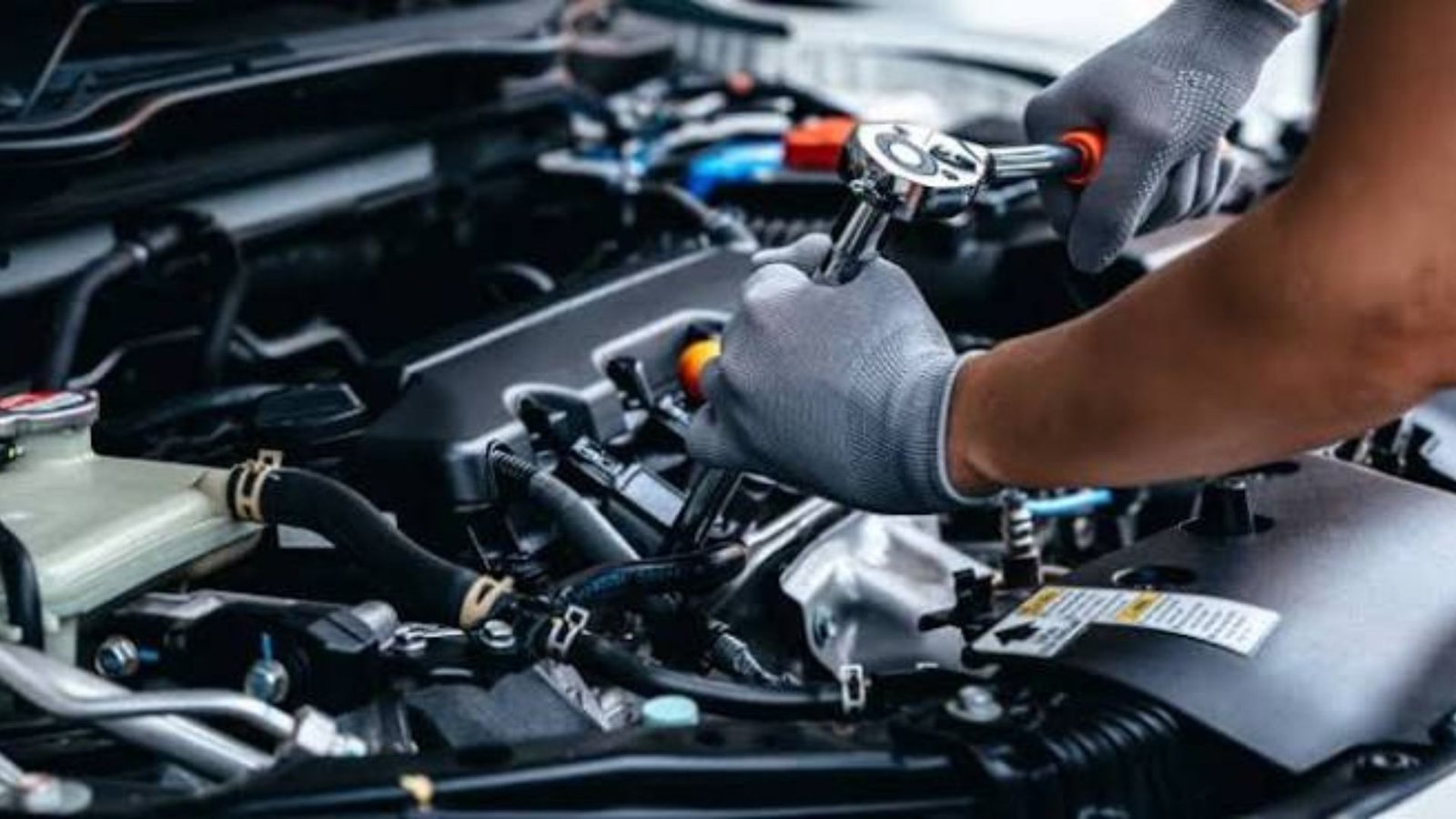
Unexpected breakdowns, expensive repairs, and poor fuel economy can turn car ownership into a stressful experience. Many drivers overlook small warning signs until they become serious mechanical problems. Regular inspections and simple maintenance habits can prevent avoidable damage, improve safety, and help a vehicle last longer. These practical car maintenance tips explain what to check, when to service important components, and how to protect your vehicle throughout every season in 2026.
1. Why Is Regular Car Maintenance Important?
A car contains many interconnected systems that must work together. The engine, transmission, brakes, tires, cooling system, battery, and suspension all need proper attention to perform safely and efficiently.
Skipping routine maintenance can lead to problems that cost much more to repair than the original service.
Regular maintenance helps you:
- Reduce the risk of unexpected breakdowns.
- Improve engine performance and reliability.
- Maintain better fuel efficiency.
- Extend tire and brake component life.
- Identify small mechanical problems early.
- Protect your vehicle’s resale value.
- Improve safety for passengers and other road users.
Following a consistent service schedule also creates a useful maintenance history. This record can help future mechanics diagnose problems and reassure potential buyers when you sell your vehicle.
2. Complete Car Maintenance Schedule: What Should You Check?
One of the easiest ways to maintain a vehicle is to follow a regular inspection schedule. Different components need attention at different intervals.
The following table provides a practical general guide. Always follow your vehicle manufacturer’s maintenance schedule because service intervals vary by engine, model, mileage, driving conditions, and oil specification.
| Maintenance Task | Recommended Check Frequency | Why It Matters |
|---|---|---|
| Engine oil level | Monthly and before long trips | Protects engine components |
| Engine oil replacement | Manufacturer’s specified interval | Reduces friction and wear |
| Tire pressure | Monthly and before long trips | Supports safe handling |
| Tire tread | Monthly | Maintains road grip |
| Brake condition | During regular servicing | Supports safe stopping |
| Battery condition | Every 3–6 months | Helps prevent starting problems |
| Coolant level | Monthly when engine is cold | Helps control engine temperature |
| Air filter | Inspect during servicing | Supports proper airflow |
| Cabin air filter | Check according to manual | Improves cabin ventilation |
| Windshield wipers | Inspect monthly | Maintains clear visibility |
| Exterior lights | Monthly | Improves visibility and safety |
| Transmission fluid | According to manufacturer | Supports transmission operation |
| Belts and hoses | During scheduled servicing | Helps prevent component failure |
| Wheel alignment | When symptoms appear or after relevant impacts | Supports proper tire wear |
| Spark plugs | Manufacturer’s specified interval | Supports proper combustion |
| Suspension | During regular inspections | Helps maintain ride and handling |
Important: These are general inspection suggestions, not universal replacement intervals. Your owner’s manual should always take priority.
3. Check and Change Engine Oil on Time
Engine oil is essential for keeping moving engine parts lubricated. It reduces friction, carries away heat, and helps control dirt and other contaminants inside the engine.
Old, dirty, or insufficient oil can increase engine wear and affect performance.
How to Maintain Engine Oil
Follow these simple steps:
- Park your vehicle on level ground.
- Turn off the engine and allow it to cool as recommended by the manufacturer.
- Locate the engine oil dipstick.
- Remove it, wipe it clean, and insert it again.
- Remove it once more and check the oil level.
- Add the correct oil if the level is low, following the owner’s manual.
Also pay attention to the oil’s recommended viscosity and specification. Not every engine uses the same oil.
When should you change engine oil?
Follow the oil-life monitoring system or service interval specified by your manufacturer. Short trips, heavy traffic, extreme temperatures, dusty roads, and frequent towing may require a different maintenance schedule.
4. Inspect Tires and Maintain Correct Tire Pressure
Tires directly affect braking, steering, road grip, and fuel consumption. Incorrect pressure can cause uneven wear, poor handling, and overheating.
The National Highway Traffic Safety Administration (NHTSA) recommends checking tire pressure at least once a month and before long road trips.
Essential Tire Care Tips
- Check pressure when tires are cold.
- Inspect the tread for excessive wear.
- Look for cuts, cracks, punctures, and bulges.
- Check the spare tire if your vehicle has one.
- Rotate tires according to the manufacturer’s instructions.
- Get wheel alignment checked when the vehicle pulls to one side.
- Replace damaged or excessively worn tires.
Use the recommended pressure printed on the driver’s door-jamb label or listed in the owner’s manual. Do not automatically use the maximum pressure printed on the tire sidewall.
NHTSA identifies 2/32 inch as the minimum tread depth at which tires should be replaced. NHTSA+1
5. Inspect Your Brakes Before Problems Become Serious
Your braking system is one of the most important safety systems in your vehicle. Worn brake pads, damaged rotors, leaking brake fluid, or faulty components can reduce stopping performance.
You should never ignore unusual braking behavior.
Warning Signs of Brake Problems
Watch for these symptoms:
- Squealing or grinding sounds.
- A brake pedal that feels unusually soft.
- Steering wheel vibration during braking.
- A vehicle that pulls to one side.
- Longer stopping distances.
- Brake warning lights on the dashboard.
- Visible brake fluid leaks.
Have a qualified mechanic inspect the brake pads, rotors, calipers, hoses, and brake fluid when necessary.
Do not wait until the brakes make a grinding noise. That sound can indicate that the friction material has worn away and metal components are contacting each other.
6. Keep Your Car Battery in Good Condition
A healthy battery helps start the engine and supplies electrical power to essential vehicle systems.
Extreme heat, cold weather, long periods without driving, and electrical faults can affect battery performance.
Simple Battery Maintenance
- Check battery terminals for corrosion.
- Keep the battery securely mounted.
- Inspect cables for loose connections.
- Look for swelling or visible damage.
- Have the charging system tested if starting becomes difficult.
- Turn off unnecessary electrical accessories when the engine is not running.
Modern vehicles may use conventional flooded, AGM, or other battery technologies. Always replace the battery with a type that meets the manufacturer’s specifications.
If your vehicle repeatedly struggles to start, ask a technician to test the battery, alternator, and starting system rather than replacing parts without diagnosis.
7. Monitor Coolant and Other Essential Fluids
Fluids allow different vehicle systems to operate correctly. Low levels or contaminated fluids can lead to overheating, poor braking, transmission problems, and other expensive repairs.
Make fluid inspections part of your regular maintenance routine.
| Fluid | Main Purpose | What to Check |
|---|---|---|
| Engine oil | Lubricates engine parts | Level, condition, and leaks |
| Engine coolant | Controls engine temperature | Level, condition, and leaks |
| Brake fluid | Transfers braking force | Level and signs of contamination |
| Transmission fluid | Supports transmission operation | Leaks and manufacturer-specified condition |
| Power steering fluid | Supports hydraulic steering systems | Level, if applicable |
| Windshield washer fluid | Cleans the windshield | Level and spray operation |
| Differential fluid | Lubricates differential components | Service interval and leaks |
Never remove a hot radiator or pressurized coolant reservoir cap. Allow the engine to cool before checking the cooling system.
Also, do not mix different coolant or transmission fluid types unless the manufacturer specifically approves them.
8. Replace Air Filters When Needed
Your vehicle generally has two important air filters: the engine air filter and the cabin air filter.
They perform different jobs, so both deserve attention.
Engine Air Filter
The engine air filter prevents dust, dirt, and debris from entering the engine’s air intake system.
A clogged filter can restrict airflow and affect engine performance. Inspect it according to the manufacturer’s service schedule, especially if you regularly drive on dusty roads.
Cabin Air Filter
The cabin filter cleans the air entering the passenger compartment through the ventilation system.
A dirty cabin filter may contribute to:
- Reduced airflow from air vents.
- Unpleasant interior odors.
- Increased dust inside the cabin.
- Reduced HVAC performance.
Replace each filter according to its condition and the manufacturer’s recommendations.
9. Maintain Windshield Wipers, Lights, and Visibility
Clear visibility is essential in rain, fog, dust, and nighttime driving.
Damaged wipers and dirty headlights can make driving more difficult, especially during poor weather.
Visibility Maintenance Checklist
- Inspect wiper blades for cracks and wear.
- Replace blades that leave streaks.
- Keep windshield washer fluid filled.
- Clean the windshield inside and outside.
- Check headlights and high beams.
- Test brake lights and turn signals.
- Inspect reverse lights and hazard lights.
- Clean mirrors and exterior camera lenses.
If a headlight becomes cloudy, use an appropriate restoration method or have it professionally serviced.
Check that replacement bulbs match the vehicle’s required specifications. Incorrect lighting equipment can affect visibility and may not comply with local regulations.
10. Car Maintenance Tips for Spring
Spring is an excellent time to inspect a vehicle after colder weather. Rain, temperature changes, road debris, and moisture can affect tires, brakes, wipers, and exterior components.
These spring car maintenance tips help prepare your vehicle for warmer temperatures and regular driving.
What Should You Check in Spring?
- Inspect tires for damage and uneven wear.
- Check tire pressure as temperatures change.
- Examine brakes for corrosion or unusual noise.
- Replace worn windshield wiper blades.
- Test the air-conditioning system.
- Clean the exterior and inspect the underbody.
- Check engine coolant and other fluids.
- Inspect the battery and charging system.
Spring is also a useful time to remove accumulated dirt from the vehicle’s exterior and inspect areas where moisture may collect.
11. Fall Car Maintenance Tips Before Winter
Fall maintenance helps prepare your vehicle for colder temperatures, reduced daylight, and potentially wet or slippery roads.
A seasonal inspection can identify problems before winter makes them harder to manage.
Fall Maintenance Checklist
- Test the battery and charging system.
- Inspect the tires and remaining tread.
- Check the heating and defrosting systems.
- Test headlights, brake lights, and indicators.
- Inspect hoses and belts.
- Check coolant condition and protection level.
- Examine brakes and suspension components.
- Replace damaged wiper blades.
Also keep an emergency kit in your vehicle. Include a flashlight, first-aid supplies, reflective warning equipment, drinking water, and basic emergency tools.
12. Winter Car Maintenance Tips for Cold Weather
Cold weather places additional demands on a vehicle. Batteries may struggle to provide enough starting power, tire pressure can decrease, and engine fluids may behave differently at low temperatures.
The right preparation helps reduce winter driving problems.
How to Prepare Your Vehicle for Winter
Check the battery: Have its condition and charging performance tested before temperatures drop.
Inspect the tires: Use tires appropriate for your climate and road conditions. Winter tires can provide improved traction in suitable conditions.
Check antifreeze: Make sure the coolant mixture meets the manufacturer’s requirements for expected temperatures.
Inspect the heater: Confirm that the heating and windshield defrosting systems work correctly.
Use appropriate washer fluid: Choose a product suitable for the temperatures in your area.
Protect the exterior: Clean the vehicle regularly to remove road salt and grime where these materials are used.
Avoid pouring hot water over frozen glass. Sudden temperature changes can damage it.
13. Car Maintenance Tips for Salty Air and Coastal Areas
Vehicles driven near oceans and coastal regions face additional exposure to salt, moisture, and humid air.
Salt can accelerate corrosion on exposed metal components, especially underneath the vehicle.
If you live near the coast, pay particular attention to these areas:
- Underbody and chassis components.
- Brake lines and suspension parts.
- Wheel arches.
- Door edges and hinges.
- Exhaust system.
- Battery terminals.
- Exposed electrical connectors.
How to Protect Your Vehicle From Salt
Wash the vehicle regularly, including accessible underbody areas. Remove salt deposits from wheels, wheel arches, and lower body panels.
Apply suitable automotive protective products where recommended. Avoid spraying high-pressure water directly into electrical connectors, seals, or sensitive components.
Arrange an inspection if you notice rust, damaged protective coatings, or corrosion around structural components.
These maintenance habits are particularly useful for coastal drivers and people who regularly travel on roads exposed to sea spray.
14. Luxury Car Maintenance Tips for Premium Vehicles
Luxury vehicles often include advanced engines, electronic systems, specialized suspension components, and expensive interior materials.
Brands such as BMW, Mercedes-Benz, Audi, Lexus, and Porsche may have different maintenance requirements depending on the model.
The best approach is to follow the manufacturer’s specifications rather than applying generic service advice.
Important Luxury Vehicle Care Tips
- Use manufacturer-approved engine oil.
- Follow the correct service intervals.
- Use compatible replacement filters.
- Check electronic warning messages promptly.
- Inspect advanced driver-assistance systems when necessary.
- Maintain recommended tire specifications.
- Use suitable brake components.
- Protect leather, wood, and other interior materials.
- Keep complete service records.
Premium vehicles can have higher repair and replacement costs. Preventive inspections help identify issues before they develop into more complicated repairs.
15. BMW Car Maintenance Tips: What Owners Should Know
BMW vehicles use different engine, transmission, cooling, and electronic systems depending on their model and production year.
Owners should always consult the correct BMW owner’s manual and service information.
Some useful BMW-specific maintenance considerations include:
- Use engine oil meeting the required BMW specification.
- Monitor the electronic service requirements.
- Inspect the cooling system for leaks.
- Maintain the correct battery type and registration requirements where applicable.
- Check brake pads and wear sensors.
- Use approved transmission and differential fluids.
- Monitor tire pressure and condition.
- Address dashboard warning messages promptly.
For models with turbocharged engines, cooling-system problems, oil leaks, and neglected maintenance deserve particular attention during inspections.
Not every BMW has the same engine or service schedule. A 3 Series, 5 Series, X5, and M model may require different parts, fluids, and procedures.
16. Hybrid Car Maintenance Tips for Better Performance
Hybrid vehicles combine a gasoline engine with an electric motor and high-voltage battery. They also use regenerative braking to recover some energy during deceleration.
Although hybrids share many maintenance requirements with conventional vehicles, their electrical systems need additional attention.
Important Hybrid Maintenance Tasks
- Follow the manufacturer’s engine oil service schedule.
- Inspect the cooling systems for the engine and hybrid components.
- Keep battery cooling vents clean and unobstructed.
- Check the 12-volt battery.
- Monitor hybrid system warning lights.
- Inspect tires and maintain correct pressure.
- Have regenerative braking and conventional brake components checked.
- Use qualified technicians for high-voltage system repairs.
Hybrid batteries should not be opened or repaired by inexperienced owners. High-voltage components can cause serious injury.
Regular servicing helps preserve efficiency and gives technicians an opportunity to identify electrical or mechanical problems.
17. Classic Car Maintenance Tips to Preserve Older Vehicles
Classic cars need special attention because their materials, mechanical systems, and replacement parts can differ significantly from those in modern vehicles.
Some older vehicles also spend long periods in storage, which creates additional maintenance challenges.
How to Maintain a Classic Car
1. Protect the fuel system: Use fuel appropriate for the vehicle and follow suitable storage recommendations.
2. Inspect rubber components: Check hoses, seals, belts, and tires for aging or cracking.
3. Prevent rust: Keep the body, chassis, and underbody clean and dry.
4. Monitor engine fluids: Check oil, coolant, and other required fluids regularly.
5. Maintain the battery: Use an appropriate battery maintainer during extended storage when recommended.
6. Protect the interior: Keep leather, fabric, dashboard materials, and trim away from excessive heat and moisture.
7. Drive periodically: When safe and practical, operate the vehicle long enough to bring its systems to normal operating conditions.
Use a specialist familiar with your vehicle’s make, model, and mechanical design for complex repairs.
18. Car Maintenance Tips for Beginners: 10 Easy Tasks to Learn
New drivers do not need advanced mechanical knowledge to look after a vehicle. Learning a few basic checks can help you recognize problems early and communicate more effectively with mechanics.
Here are ten beginner-friendly maintenance tasks:
- Learn how to check engine oil.
- Understand your dashboard warning lights.
- Check tire pressure using a pressure gauge.
- Inspect tire tread and visible damage.
- Check windshield washer fluid.
- Test headlights and brake lights.
- Look for fluid leaks underneath the vehicle.
- Keep the vehicle clean.
- Record service dates and mileage.
- Learn where to find the owner’s manual.
Basic Tools Every Car Owner Should Have
| Tool | Purpose |
|---|---|
| Tire pressure gauge | Measures tire inflation |
| Flashlight | Helps inspect dark areas |
| Microfiber cloth | Cleans vehicle surfaces |
| Jumper cables or approved jump starter | Helps with certain battery emergencies |
| Basic tool kit | Handles simple approved adjustments |
| Emergency warning triangle | Warns approaching traffic |
| First-aid kit | Provides basic emergency supplies |
| Tire repair equipment | Supports emergency tire procedures where appropriate |
Never work underneath a vehicle supported only by a jack. Use properly rated equipment and suitable safety supports, or leave the job to a professional.
19. DIY Car Maintenance Tips: What Can You Do Yourself?
DIY maintenance can save money and help owners understand their vehicles. However, not every repair is suitable for beginners.
Start with simple tasks that do not require specialized tools or technical knowledge.
Maintenance Tasks You Can Usually Perform Yourself
- Checking tire pressure.
- Cleaning windows and mirrors.
- Checking engine oil.
- Refilling windshield washer fluid.
- Inspecting visible tire damage.
- Replacing compatible windshield wiper blades.
- Cleaning the vehicle’s exterior.
- Checking exterior lights.
- Replacing an accessible cabin air filter.
Repairs Better Left to Professionals
- Brake system repairs.
- Airbag and safety system repairs.
- High-voltage hybrid system work.
- Complex electrical diagnosis.
- Transmission repairs.
- Air-conditioning refrigerant servicing.
- Suspension and steering repairs.
For example, motor vehicle air-conditioning systems require proper refrigerant handling. The US Environmental Protection Agency specifies technician certification and approved equipment for regulated servicing activities. US EPA
A good rule is simple: perform only the maintenance you understand and can complete safely.
20. Used Car Maintenance Tips: How to Care for a Pre-Owned Vehicle
A used vehicle may have an incomplete service history or hidden wear from previous ownership.
Before creating a maintenance schedule, establish the vehicle’s current condition.
First Maintenance Checks After Buying a Used Car
| Component | What to Do |
|---|---|
| Engine oil | Check level and service history |
| Oil filter | Confirm replacement history |
| Tires | Inspect pressure, tread, and age |
| Brakes | Arrange a professional inspection |
| Battery | Test battery and charging system |
| Coolant | Check condition and leaks |
| Transmission | Review service requirements |
| Air filters | Inspect and replace if needed |
| Wipers | Check operation and blade condition |
| Belts and hoses | Inspect for wear and damage |
| Lights | Test all exterior lighting |
| Safety recalls | Check outstanding recalls by VIN |
Ask for previous maintenance invoices and any available vehicle history report.
If you are purchasing in the United States, the Federal Trade Commission recommends reviewing the vehicle’s history and arranging an independent inspection before buying. Consumer Advice+1
Do not assume a vehicle is mechanically sound just because it looks clean or has low mileage.
21. Car Maintenance Tips for Long Drives and Road Trips
A long journey puts additional demands on tires, brakes, engine components, cooling systems, and other vehicle parts.
A quick inspection before leaving can help prevent avoidable roadside problems.
Pre-Trip Car Inspection Checklist
Road trip safety checklist
0 of 10 completed
0%Check engine oil and other required fluidsInspect tire pressure, tread, and visible damageCheck the spare tire or emergency tire kitTest headlights, brake lights, and indicatorsInspect brakes for unusual sounds or symptomsCheck coolant and look for leaksTest windshield wipers and washer fluidConfirm battery and charging system conditionPack an emergency kit and basic suppliesCheck the vehicle’s scheduled maintenance status
Reset checklist
The NHTSA also recommends checking fluids, cooling-system condition, and battery performance before summer road trips. NHTSA
If your car has an unresolved warning light, unusual vibration, fluid leak, or braking problem, have it inspected before starting a long journey.
22. Car Maintenance Tips and Tricks to Save Money
Maintaining a vehicle does not always require expensive services. Many small habits can help prevent unnecessary repair bills.
Try these practical approaches:
- Follow the factory maintenance schedule instead of guessing service intervals.
- Compare repair estimates before approving major work.
- Use parts that meet the manufacturer’s specifications.
- Keep receipts for every service.
- Check tire pressure regularly.
- Address small leaks promptly.
- Avoid aggressive acceleration and harsh braking.
- Remove unnecessary weight from the vehicle.
- Keep the exterior and underbody clean.
- Investigate dashboard warnings immediately.
How Can You Reduce Long-Term Maintenance Costs?
The most effective strategy is preventive maintenance.
For example, replacing a worn wiper blade is inexpensive compared with dealing with poor visibility during heavy rain. Similarly, maintaining correct tire pressure can help reduce uneven wear and avoid unnecessary replacement costs.
Avoid delaying essential repairs simply because the vehicle still runs. Some mechanical problems become more expensive when ignored.
23. Common Car Maintenance Mistakes You Should Avoid
Even experienced drivers can develop habits that damage their vehicles over time.
Avoid these common mistakes:
| Common Mistake | Possible Consequence | Better Approach |
|---|---|---|
| Ignoring oil changes | Increased engine wear | Follow the service schedule |
| Driving with low tire pressure | Poor handling and uneven wear | Check pressure monthly |
| Ignoring dashboard lights | Delayed diagnosis | Investigate warnings promptly |
| Using incorrect fluids | Component damage | Follow manufacturer specifications |
| Skipping brake inspections | Reduced braking performance | Arrange regular inspections |
| Overloading the vehicle | Excessive component stress | Follow load limits |
| Ignoring fluid leaks | Mechanical damage | Investigate leaks quickly |
| Using unsuitable cleaning products | Interior or paint damage | Choose automotive products |
| Delaying battery testing | Unexpected starting problems | Test battery condition |
| Skipping scheduled servicing | Increased repair risk | Maintain service records |
A well-maintained vehicle does not need constant repairs. It needs consistent attention and timely professional servicing.
24. How to Create a Simple Monthly Car Maintenance Routine
A monthly routine makes vehicle care easier because you do not need to remember every task individually.
Set aside 15–30 minutes to inspect the most important items. More complicated maintenance can remain part of your scheduled professional servicing.
Monthly Routine
Week 1: Tires and exterior
- Check tire pressure.
- Inspect tread and visible damage.
- Clean headlights, mirrors, and windows.
- Test exterior lights.
Week 2: Engine and fluids
- Check engine oil.
- Inspect accessible fluid reservoirs.
- Look for leaks.
- Examine visible belts and hoses.
Week 3: Interior and electrical systems
- Test air conditioning and heating.
- Check wipers and washer fluid.
- Inspect dashboard warning lights.
- Clean the cabin.
Week 4: Service planning
- Review mileage and service records.
- Check upcoming maintenance requirements.
- Arrange professional inspections when needed.
- Check outstanding safety recalls.
This simple system helps make vehicle maintenance a regular habit rather than an occasional task.
25. Best Car Maintenance Tips for 2026: Final Expert Recommendations
The most effective maintenance plan is one that matches your vehicle, driving habits, climate, and manufacturer’s instructions.
Whether you drive a family sedan, luxury SUV, hybrid vehicle, classic car, or used pickup, the following priorities deserve attention:
- Follow the manufacturer’s maintenance schedule.
- Check engine oil and fluid levels regularly.
- Maintain correct tire pressure.
- Inspect brakes and suspension.
- Monitor battery performance.
- Replace filters when necessary.
- Keep the cooling system in good condition.
- Prepare for seasonal weather changes.
- Keep service records and repair invoices.
- Seek professional help when warning signs appear.
These habits provide a practical foundation for reliable vehicle ownership in 2026 and beyond.
Frequently Asked Questions About Car Maintenance
1. What are the most important car maintenance tips for beginners?
Beginners should start by checking engine oil, tire pressure, coolant levels, windshield washer fluid, and exterior lights. They should also learn dashboard warning symbols and follow the manufacturer’s service schedule.
2. How often should I service my car?
Service intervals depend on the vehicle’s make, model, engine, mileage, and driving conditions. Follow the owner’s manual or onboard maintenance system rather than relying on a universal mileage recommendation.
3. What car maintenance should I do every month?
Check tire pressure, inspect tire tread, test exterior lights, examine visible fluid levels, inspect windshield wipers, and look for unusual leaks or damage. These simple checks help identify potential problems early.
4. What are the best car maintenance tips for winter?
Test the battery, inspect tires, check coolant protection, examine windshield wipers, and confirm that the heating and defrosting systems work properly. Keep emergency supplies inside the vehicle.
5. Can I maintain my car myself without visiting a mechanic?
Yes. Owners can perform basic tasks such as checking tire pressure, engine oil, washer fluid, and lights. However, brake repairs, complex electrical work, and major mechanical servicing should be handled by qualified technicians.
6. How can I make my car last longer?
Follow scheduled servicing, use manufacturer-approved fluids, maintain proper tire pressure, address warning lights promptly, and avoid aggressive driving. Keeping detailed maintenance records also helps protect your vehicle’s condition and resale value.
