


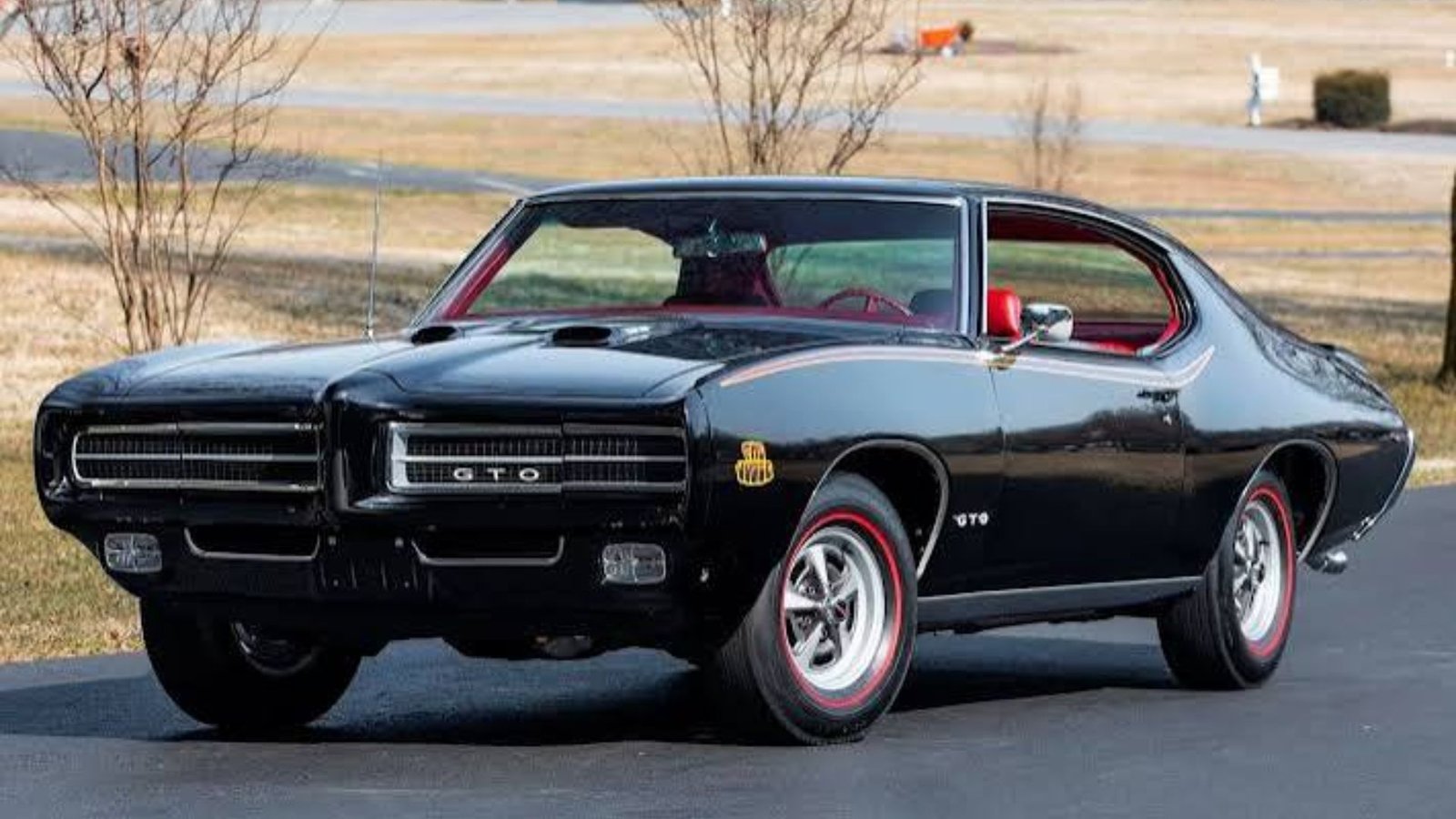
Few American cars have earned the respect and recognition of the Pontiac GTO. Its powerful V8 engines, aggressive styling, and impressive straight-line performance helped establish the American muscle car movement. However, finding reliable information about its different generations, engine options, and market value can be challenging. This guide explores the car’s complete history, from the original 1964 model to the modern-era editions, helping enthusiasts understand what makes this legendary vehicle special.
What Is the Pontiac GTO?
The GTO is a high-performance American sports coupe developed by Pontiac, a former General Motors division. The name stands for Gran Turismo Omologato, an Italian expression associated with grand touring and homologation.
Pontiac introduced the original GTO in 1964 as an optional performance package for the Tempest LeMans. It combined a powerful V8 engine, rear-wheel drive, upgraded suspension, and distinctive styling.
Its most important characteristics include:
- Powerful V8 engines with strong acceleration.
- Rear-wheel-drive performance.
- Distinctive muscle car styling.
- Manual and automatic transmission options.
- A long history connected to American automotive culture.
- Strong interest among classic car collectors.
General Motors recognizes the 1964 model as the vehicle that helped start the muscle car era. General Motors+1
History of the Pontiac GTO: From 1964 to 2006
The story began during an important period in American automotive development. Pontiac wanted to give younger performance enthusiasts a powerful vehicle without requiring them to purchase an expensive full-size sports car.
Engineer John DeLorean and his Pontiac team helped bring the idea to production. The original formula combined a midsize platform with a large-displacement V8 engine.
Over the following years, the car developed its own identity through engine upgrades, redesigned bodies, special editions, and improved performance equipment.
Important milestones in its history:
- 1964: The original GTO package arrived.
- 1965: Improved 389 V8 performance and additional performance equipment.
- 1966: The GTO became a separate Pontiac model.
- 1967: The 400-cubic-inch V8 replaced the 389.
- 1968: A major exterior redesign introduced a more rounded appearance.
- 1969: The famous Judge performance package attracted attention.
- 1970: Buyers could choose powerful 455 V8 configurations.
- 1974: The original production era ended.
- 2004: Pontiac revived the nameplate for a new generation.
- 2005–2006: The modern model received the larger LS2 V8 engine.
The classic and modern generations offer different driving experiences, but both share the same performance-focused identity.
Pontiac GTO Models by Year: Complete Comparison Table
The following table highlights important model years, engine configurations, and historical differences. Exact horsepower figures can vary according to engine option, factory rating method, and model configuration.
| Model year | Engine | Approx. factory horsepower | Important feature |
|---|---|---|---|
| 1964 | 389 V8 | 325–348 hp | Original performance package |
| 1965 | 389 V8 | Up to 360 hp | Improved Tri-Power |
| 1966 | 389 V8 | Up to 360 hp | Separate model |
| 1967 | 400 V8 | Up to 360 hp | New engine displacement |
| 1968 | 400 V8 | Up to 360 hp | Redesigned body |
| 1969 | 400 V8 | Up to 366 hp | Judge and Ram Air options |
| 1970 | 400/455 V8 | Up to 360 hp | Powerful 455 option |
| 2004 | 5.7L LS1 V8 | 350 hp | Modern-generation return |
| 2005 | 6.0L LS2 V8 | 400 hp | Larger engine |
| 2006 | 6.0L LS2 V8 | 400 hp | Final production year |
Note: Classic-era horsepower figures generally refer to original gross ratings, while modern ratings use SAE net horsepower. They should not be compared directly.
1964 Pontiac GTO: Where the Legend Began
Original first-generation model
The 1964 Pontiac GTO established the formula that would influence American performance cars for years. Pontiac fitted a 389-cubic-inch V8 into its midsize Tempest LeMans platform.
The standard engine produced 325 horsepower, while the optional Tri-Power configuration delivered 348 horsepower. The package also included dual exhausts, special badges, and distinctive hood scoops.
General Motors records 32,450 GTO-optioned Tempests sold for the 1964 model year. General Motors
Its importance goes beyond its engine. It demonstrated that a relatively affordable midsize car could deliver exciting performance.
1965 and 1966 Pontiac GTO: Growing Popularity
The 1965 model received performance improvements, including an available Tri-Power 389 rated at 360 horsepower. Pontiac also offered additional performance equipment that attracted enthusiasts.
The 1966 Pontiac GTO introduced an important change: it became a standalone model instead of an option package.
Its redesigned body featured a more flowing shape, distinctive grille, and recognizable rear styling. Buyers could choose different transmissions, seating arrangements, and engine configurations.
The rare 1966 Pontiac GTO muscle car is particularly interesting to collectors when it retains its original engine, transmission, and factory equipment.
1967 Pontiac GTO: The Introduction of the 400 V8
The 1967 Pontiac GTO marked an important mechanical development. Pontiac replaced the previous 389 engine with a 400-cubic-inch V8.
This engine delivered strong torque and offered several performance configurations. Ram Air equipment also helped strengthen the model’s reputation among muscle car enthusiasts.
The 1967 Pontiac GTO is especially appealing because it combines traditional muscle car proportions with meaningful mechanical improvements.
Its recognizable exterior, powerful engine options, and classic interior make it a popular restoration and collection choice.
1968 and 1969 Pontiac GTO: A New Design Era
Pontiac introduced a significant styling update for 1968. The body became more rounded, while the front grille, rear styling, and overall proportions received noticeable changes.
The 1968 Pontiac GTO maintained the powerful 400 V8 formula and offered performance-focused engine packages.
The 1969 Pontiac GTO became even more memorable with the introduction of The Judge package. This special version featured eye-catching graphics, a rear spoiler, and upgraded performance equipment.
The Ram Air III Judge was factory-rated at 366 horsepower. Buyers could also select other engine and transmission configurations.
For collectors, the Pontiac GTO 1969 Judge remains one of the most recognizable versions of the classic muscle car.
1970 Pontiac GTO: The Powerful 455 Engine Option
The 1970 Pontiac GTO continued the classic muscle car tradition with updated styling and several powerful engine choices.
One of its biggest attractions was the available 455-cubic-inch V8. This large engine delivered substantial low-speed torque, making the car exciting for street driving.
The 1970 model also offered different appearance and performance configurations. Its combination of traditional styling and big-block-style displacement gives it an important place in GTO history.
2004 Pontiac GTO: The Modern Revival
Fifth-generation GTO
Pontiac brought the nameplate back in 2004 after a long absence. Unlike the original cars, this generation was based on the Australian Holden Monaro platform.
The 2004 Pontiac GTO featured a 5.7-liter LS1 V8 producing 350 horsepower and 365 lb-ft of torque.
Its major features included:
- Rear-wheel-drive configuration.
- Six-speed manual transmission availability.
- Four-speed automatic transmission option.
- Independent rear suspension.
- Four-seat interior.
- Modern safety and comfort equipment.
The modern model offered a different approach to performance. Instead of copying the appearance of a 1960s muscle car, Pontiac created a relatively understated coupe with impressive V8 power. CTF Assets+1
2005 Pontiac GTO: More Power With the LS2 Engine
The 2005 Pontiac GTO brought a significant performance improvement. Pontiac replaced the 5.7-liter LS1 with a 6.0-liter LS2 V8, increasing output to 400 horsepower and 400 lb-ft of torque.
The updated engine gave the coupe stronger acceleration and improved its appeal among performance enthusiasts.
Other notable changes included:
- A revised dual-exhaust arrangement.
- An available hood scoop.
- Updated exterior color choices.
- Improved engine performance.
- Six-speed manual and four-speed automatic transmission options.
The 2005 model is an excellent choice for buyers who want modern V8 performance without purchasing a much newer sports car.
2006 Pontiac GTO: The Final Production Model
The 2006 Pontiac GTO represents the final year of the modern GTO generation. It retained the 6.0-liter LS2 V8 and its 400-horsepower factory rating.
Although the basic mechanical package remained similar to the previous year, the 2006 model offered an appealing combination of power, comfort, and everyday usability.
Its key specifications include:
| Specification | 2006 model |
|---|---|
| Engine | 6.0L LS2 V8 |
| Horsepower | 400 hp |
| Torque | 400 lb-ft |
| Transmission | 6-speed manual / 4-speed automatic |
| Drivetrain | Rear-wheel drive |
| Body style | Two-door coupe |
| Seating capacity | Four |
| Production year | Final year: 2006 |
The 2006 version attracts collectors because it closes the modern production chapter. Buyers should pay particular attention to mileage, accident history, maintenance records, and original equipment.
Pontiac GTO Performance and Engine Specifications
Engine performance is one of the biggest reasons enthusiasts continue to appreciate this vehicle. Its different generations used distinct powertrains, reflecting changes in automotive engineering and customer expectations.
Classic-generation engines
- 389 V8: The original engine that established the GTO’s reputation.
- 400 V8: Introduced for 1967, offering improved displacement and performance options.
- 455 V8: Available in the 1970 era, delivering substantial torque.
Modern-generation engines
- LS1 5.7L V8: Used in the 2004 model.
- LS2 6.0L V8: Used in 2005 and 2006 models.
The modern LS engines also offer a strong foundation for aftermarket modifications. However, buyers should check whether performance upgrades were professionally installed and whether the engine management system was properly calibrated.
Why Is the Pontiac GTO Still So Popular?
Several factors explain the vehicle’s lasting appeal among collectors and automotive enthusiasts.
1. Historic importance: Its early introduction helped establish the American muscle car formula.
2. Powerful engines: Large-displacement V8 engines provide the distinctive sound and acceleration enthusiasts appreciate.
3. Recognizable styling: Classic models have distinctive body designs that remain recognizable decades later.
4. Special editions: Versions such as The Judge attract attention because of their unique equipment and historical significance.
5. Modern performance: The 2004–2006 generation combines LS-series engine performance with everyday comfort.
6. Collectibility: Original condition, documentation, rarity, and historical significance can increase buyer interest.
Pontiac GTO for Sale: What Should Buyers Check?
Searching for a Pontiac GTO for sale requires more than comparing prices. Two vehicles from the same model year can have very different values depending on their condition, originality, and restoration quality.
Before purchasing, examine these important areas:
- Engine condition: Look for oil leaks, unusual noises, smoke, and signs of overheating.
- Transmission: Check clutch operation on manual models and smooth shifting on automatic versions.
- Rust: Inspect floors, frame areas, trunk panels, wheel arches, and lower body sections.
- Originality: Verify engine numbers, factory options, VIN information, and restoration documentation.
- Suspension: Examine bushings, shocks, steering components, and braking equipment.
- Electrical systems: Test lighting, gauges, windows, and other installed equipment.
- Ownership history: Review service records, previous registrations, and accident documentation.
For a 1969 Pontiac GTO for sale or a 1966 Pontiac GTO for sale, originality and documented history deserve particular attention.
A professional pre-purchase inspection is a worthwhile investment, especially when buying an expensive restored or collectible example.
What Makes a Rare 1966 Pontiac GTO Muscle Car Valuable?
Not every classic GTO has the same collector value. Certain configurations attract greater interest because of their original equipment, condition, and documented production history.
Important value factors include:
- Original factory engine and transmission.
- Rare or desirable factory options.
- Matching-numbers documentation.
- Original body panels and interior components.
- High-quality restoration work.
- Verified ownership and maintenance history.
A restored car can still be desirable, but a documented, original example may attract a different category of collector.
Buyers should avoid assuming that an advertised rare specification automatically makes a vehicle valuable. Independent verification is essential.
Is There a 2026 Pontiac GTO?
Important clarification
The 2026 Pontiac GTO is a popular search term, but it is important to separate online speculation from verified automotive announcements.
General Motors announced the phaseout of the Pontiac brand, with the process expected to finish by the end of 2010. There is no verified General Motors production announcement establishing a factory-built 2026 GTO. General Motors+1
Therefore, websites, concept illustrations, and social media posts showing a new GTO should not automatically be treated as official product information.
Anyone interested in a future model should look for confirmation through General Motors’ official announcements rather than relying on speculative specifications, release dates, or prices.
Classic vs. Modern Pontiac GTO: Which One Should You Choose?
Both generations offer something different.
| Buying consideration | Classic GTO | Modern GTO |
|---|---|---|
| Model years | 1964–1974 | 2004–2006 |
| Engine character | Traditional Pontiac V8 | LS-series V8 |
| Driving experience | Vintage muscle car | Modern performance coupe |
| Technology | Basic by modern standards | Modern comfort and safety features |
| Maintenance | Often requires specialist knowledge | Modern GM mechanical expertise |
| Collector appeal | Strong historical significance | Limited production revival |
| Best suited for | Collectors and restoration fans | Drivers seeking V8 performance |
Choose a classic model if historical significance, original styling, and restoration projects matter most. Consider the modern generation if you prefer more contemporary driving characteristics and powerful LS engines.
How Much Does a Pontiac GTO Cost?
The price depends on the model year, mechanical condition, originality, and collector demand. Classic models with rare factory options can command substantially higher prices than ordinary examples.
The following table provides general buying considerations rather than fixed market valuations.
| Model | Main pricing consideration |
|---|---|
| 1964 GTO | Originality and historical condition |
| 1965 GTO | Engine configuration and restoration |
| 1966 GTO | Factory options and originality |
| 1967 GTO | 400 V8 configuration and condition |
| 1968 GTO | Body condition and documentation |
| 1969 GTO Judge | Authenticity and original equipment |
| 1970 GTO | 455 engine and factory options |
| 2004 GTO | Mileage and LS1 condition |
| 2005 GTO | LS2 condition and transmission |
| 2006 GTO | Originality, mileage, and maintenance |
Prices can change significantly with auction results, regional demand, and vehicle condition. Always compare recent sales of similar specifications before making an offer.
Frequently Asked Questions About the Pontiac GTO
1. What year was the first Pontiac GTO released?
The first GTO arrived for the 1964 model year as a performance package for the Pontiac Tempest LeMans. It featured a 389-cubic-inch V8 engine and helped establish the American muscle car category.
2. What is the most popular classic Pontiac GTO?
The 1966, 1967, and 1969 models are especially popular with collectors. The 1969 Judge is particularly recognizable because of its distinctive styling and performance equipment.
3. How much horsepower does a 2006 Pontiac GTO have?
The 2006 model produces 400 horsepower and 400 lb-ft of torque from its 6.0-liter LS2 V8 engine. Buyers could choose a six-speed manual or four-speed automatic transmission.
4. Is the 2005 Pontiac GTO a good car?
Yes. The 2005 model offers a powerful LS2 V8, rear-wheel drive, and a comfortable four-seat interior. Its performance and relatively understated styling make it appealing to modern muscle car enthusiasts.
5. Where can I find a Pontiac GTO for sale?
You can search classic car dealerships, collector car auctions, specialist automotive marketplaces, and private seller advertisements. Always verify the vehicle identification number, mechanical condition, ownership records, and originality before purchasing.
6. Will General Motors release a 2026 Pontiac GTO?
There is no verified General Motors announcement confirming a factory-produced 2026 GTO. Pontiac was phased out as a GM brand by the end of 2010, so online revival claims should be treated cautiously.
Conclusion
The Pontiac GTO remains one of the most recognizable names in American automotive history. From the original 1964 model and the powerful 1967 and 1969 editions to the modern 2004–2006 revival, its legacy reflects decades of V8 engineering and performance-focused design.
Whether you are researching a classic muscle car, comparing the 2006 model with earlier editions, or looking for a collectible vehicle, understanding its history and specifications can help you make a better decision.
The best purchase is not necessarily the newest or most expensive example. Look for verified originality, proper maintenance, reliable documentation, and a vehicle that matches your budget and driving expectations.
